"I don't feel that I have enough resilience in challenging situations. I'm afraid of failure, which leads to me always taking the safe option. I should be more prepared to take risks and get better at bouncing back when it all goes horribly wrong. "
Wow. Let's briefly explore some of the issues that are contained in those three apparently simple sentences. On the surface they seem to say:
- I know what I find difficult
- I know why I do what I do
- I know what I should do to change.
But do they really? There are so many uncertainties and assumptions written into those statements, each of which is likely to prevent the individual making meaningful and sustainable change. Let's explore just a few of the questions that, as coaches, we might want to address. (I'm aware there are many more!)
What do you mean by resilience? You say that you feel you don't have enough resilience. Can you describe that feeling?
What kind of situations do you find challenging? What do you consider to be failure? What criteria are you using to measure success and failure in these situations?
You say that you ALWAYS take the safe option. Can you give me an example of a time when you didn't ? What was the outcome? What did you learn from that experience?
You have expressed a feeling that you SHOULD take more risks? Can you tell me a bit more about that? Do you have a sense of where that idea originates from?
How would you know if you were getting better at bouncing back? What does that mean to you?
Your words suggest that you believe taking more risks will inevitably have a bad outcome. ("When it all goes horribly wrong") Can you envisage taking a risk that has a positive outcome for you? Can you describe what would look and feel like?
For most people, especially those who haven't developed significant self-awareness and who are unfamiliar with exploring their emotions, these are very tough questions. Where do they start? At RSVP Design we often help people to start these conversations by giving them a stimulus - something they can discuss which is relevant but not as immediately confronting as difficult or personal questions.
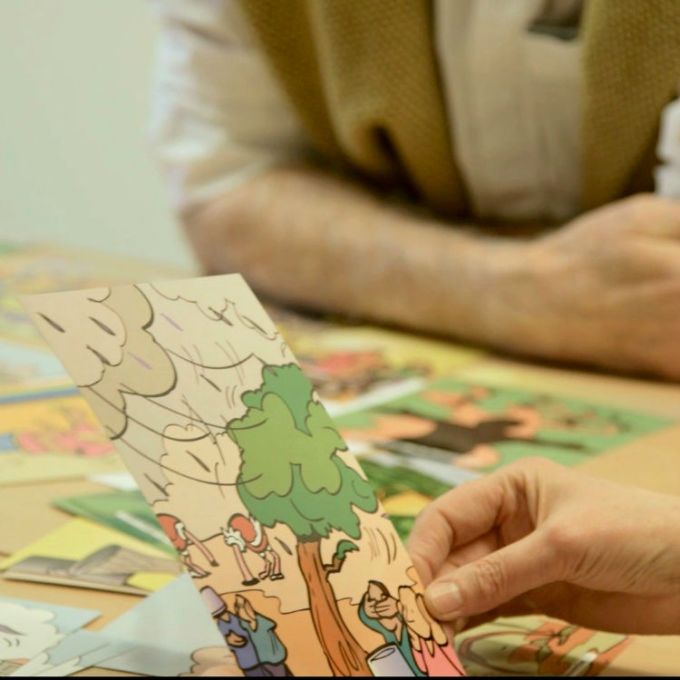
In the example above, our Images of Resilience card sets may offer an ideal start point.
This is a collection of engaging metaphor cards representing a range of experiences and emotions linked to the theme of "resilience" or "grit". They explore different facets and make connections with stress, change, challenge and learning.
Asking someone to choose an image or images which represent aspects of resilience that resonate with them is likely to be more productive than asking them to pluck a definition of resilience out of thin air. Asking them to talk about an image that illustrates a situation they would find challenging may trigger other ideas about personal challenges they face. As the discussion around the image cards develops, a skilled coach can move the learner to a richer and deeper understanding of their current beliefs, the resources and capabilities they already have, the positive past experiences they can work with and the motivation they have to change.
This is one example of using an experiential learning tool to enhance and support a coaching process and build a strong foundation for personal behavioural change in one specific area. Other examples of appropriate tools from the RSVP Design range ( which are more generalised but equally powerful ) include Images of Organisations, Voyage Mapping, Challenging Assumptions and a whole range of cards related to coaching, recognition of strengths and insights into individual behaviour and preference.