Every day, in every workplace, there are factors that bring about the kind of stress that employees will recognise and name. Resilience is what helps employees adapt, cope, and respond positively to these stressors: and resilience is heavily dependent on the quality of the interpersonal relationships that make a place easy, or otherwise, to work in.
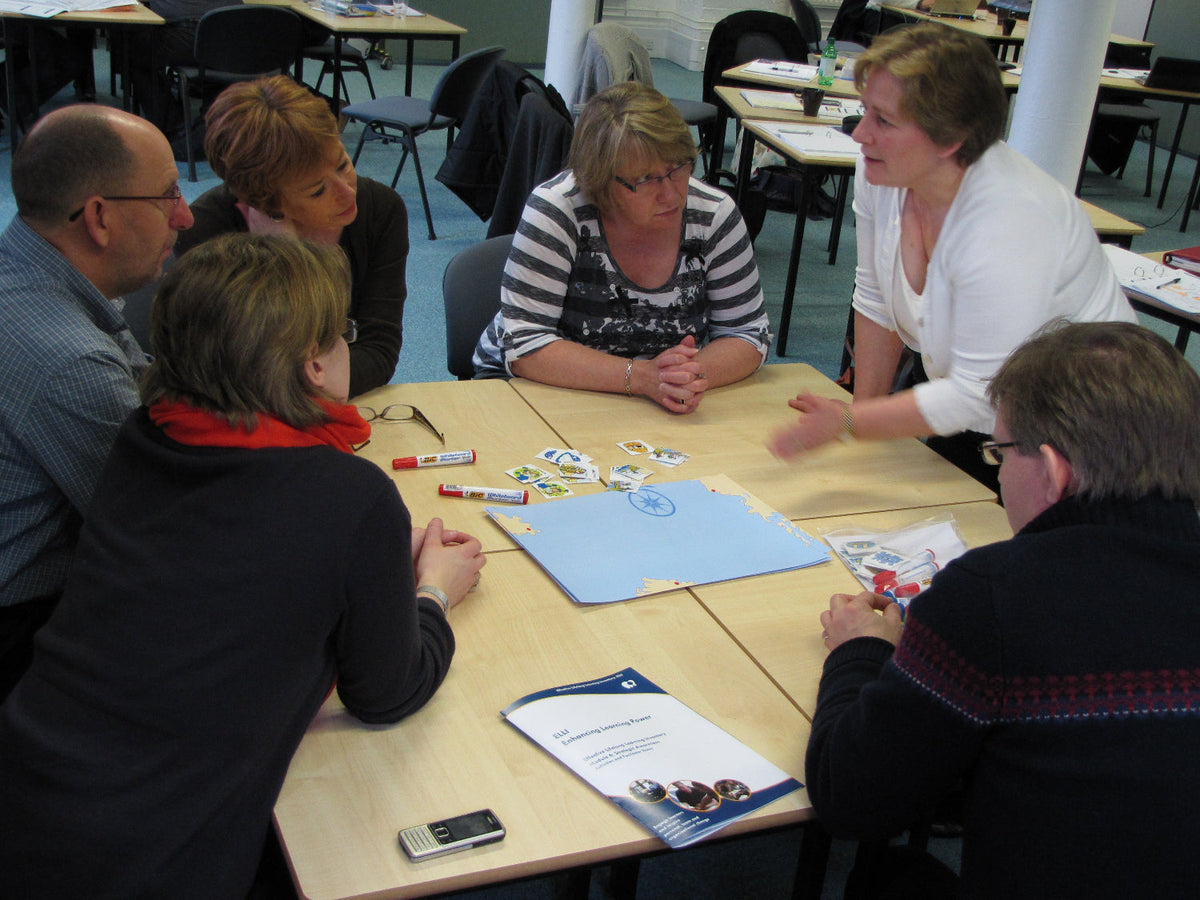
It's this fact that would lead me to recommend an experiential-based solution every time the need to bolster resilience comes up on a customer's wish-list; if the problems are about relationship quality then you're not going to solve them by having people work alone. Face to face is the only way forward.
If we acknowledge that all team members will benefit from high-quality relationships there are a number of other behaviours that are also important in building resilience, including:
- how you set goals and ensure that people know what to expect
- how you celebrate success and create a supportive environment
- how you coach other members of your team
It's these development areas that give me a head start in considering which experiential activities will be best for a particular team. I'll often take a customer through a ranking exercise to see how they rate the needs for their team "We need to build resilience, but which of these other areas are important? In what order would you rate them?" Choosing the right tool is usually made much easier once we've got an answer.
I'll use this ranking exercise to map out the next three articles and get specific about what tools to use, but first I want to say a word about building quality relationships as the prime outcome of any resilience-building initiative. If experiential activities are the main thing we're going to include in our programme, we also need to think about what we need to exclude. My answer to this is to avoid overprogramming. I see too many workshops that are timetabled in a way that suggests the need to occupy the participants for every available minute. This denies the time that they could be getting to know one another at a deeper level, talking about the programme and how it relates to work, sharing news about the other important things that are happening in their lives - in short, human relationship building. Coffee breaks, lunch breaks, comfort breaks, they're all key parts of any programme, but they're the lifeblood of any initiative that is aimed at resilience building.
In Part 2, we'll explore the role of setting clear goals and expectations in building workplace resilience.